
Spanning approximately 1,728 hectares, this landscape is designated both a Site of Special Scientific Interest (SSSI) and a Special Area of Conservation (SAC), recognised for its globally important biodiversity. With over 50,000 veteran pollarded trees (primarily oak, beech, and hornbeam), over 1,500 species of fungi and a plethora of animals (including some surprising species!) there is always something new to discover.
Below will find an overview of the trees, plants, animal and insects that can be found across the region…
Which Animals Can Be Found in Epping Forest?
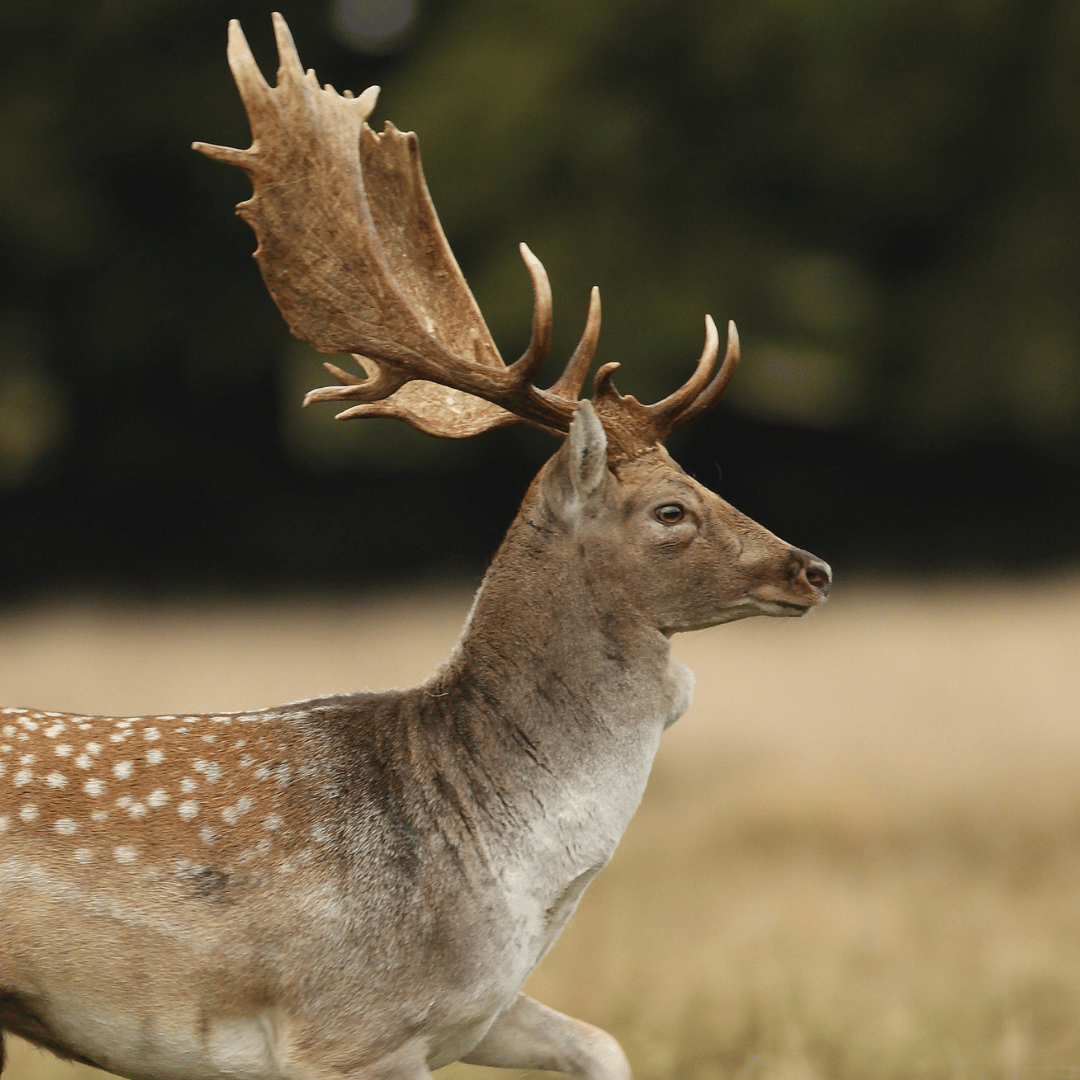
Deer
Two deer species roam freely throughout Epping Forest: the elegant fallow deer and the small but vocal muntjac. Fallow deer are well-known for their broad, flat antlers and come in a variety of colours, from the common spotted coats to entirely black individuals—a unique sight for visitors. The autumn rutting season is a dramatic time, with male deer (bucks) engaging in intense battles to establish dominance.
Muntjac, by contrast, are much smaller and prefer a quieter existence, often hiding in dense undergrowth. Recognisable by their distinctive “barking” call, they are more solitary and secretive.
Bats
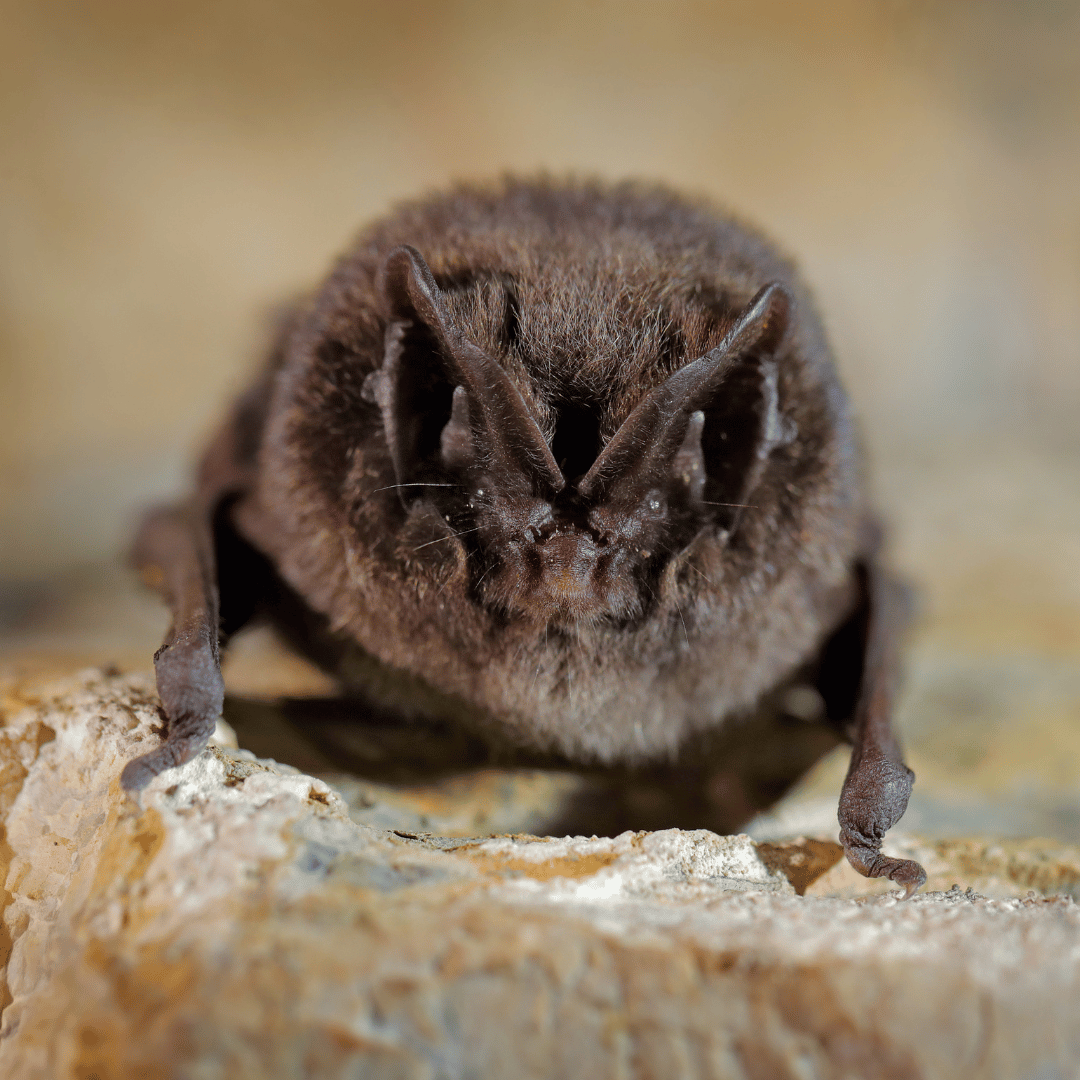
Epping Forest is a vital refuge for bats, with at least ten species recorded across its ancient woodlands. Among them are the elusive barbastelle, a rare bat that thrives in quiet, mature forests, as well as Leisler’s and serotine bats, both of which are increasingly scarce in other parts of the UK. Their continued presence is a strong indicator of the forest’s ecological richness and the quality of its habitats.
These bats depend on the forest’s veteran trees, many of which offer ideal roosting spaces in natural hollows and crevices. As night falls, the open glades and woodland edges become active hunting grounds, where bats feed on a variety of flying insects. Careful woodland management, including the preservation of old trees and the maintenance of open spaces, plays a crucial role in supporting these important and often threatened species.
Birdlife
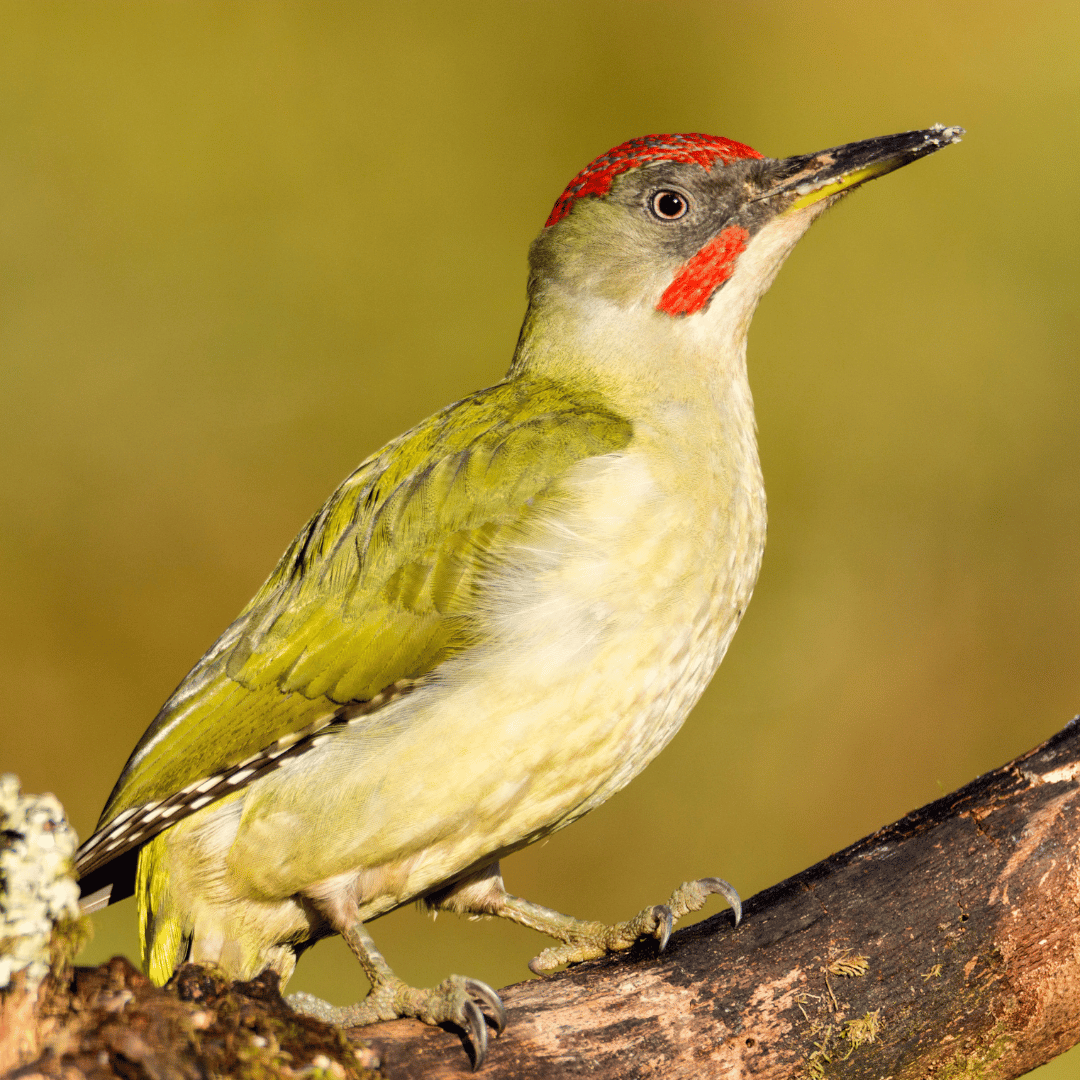
Epping Forest is home to a rich variety of bird species, making it a prime spot for birdwatching throughout the year. Among the highlights are owls, such as the resident Tawny Owl, often heard hooting at dusk. The forest also hosts woodpeckers, notably the Great Spotted Woodpecker, known for its drumming, and the Green Woodpecker, whose loud, laughing call is distinctive as it feeds mainly on ants. Other notable residents include the colourful Mandarin Duck, elusive Woodcock, and birds of prey like Sparrowhawks, Kestrels, and in summer, the agile Hobby.
Over 150 bird species have been recorded in the southern part of Epping Forest, with around 50 regularly breeding. The forest’s mix of ancient woodland, grassland, heath, and wetland supports this diversity. Seasonal visitors such as Redwings, Bramblings, Warblers, and Cuckoos.
Beetles & Bugs
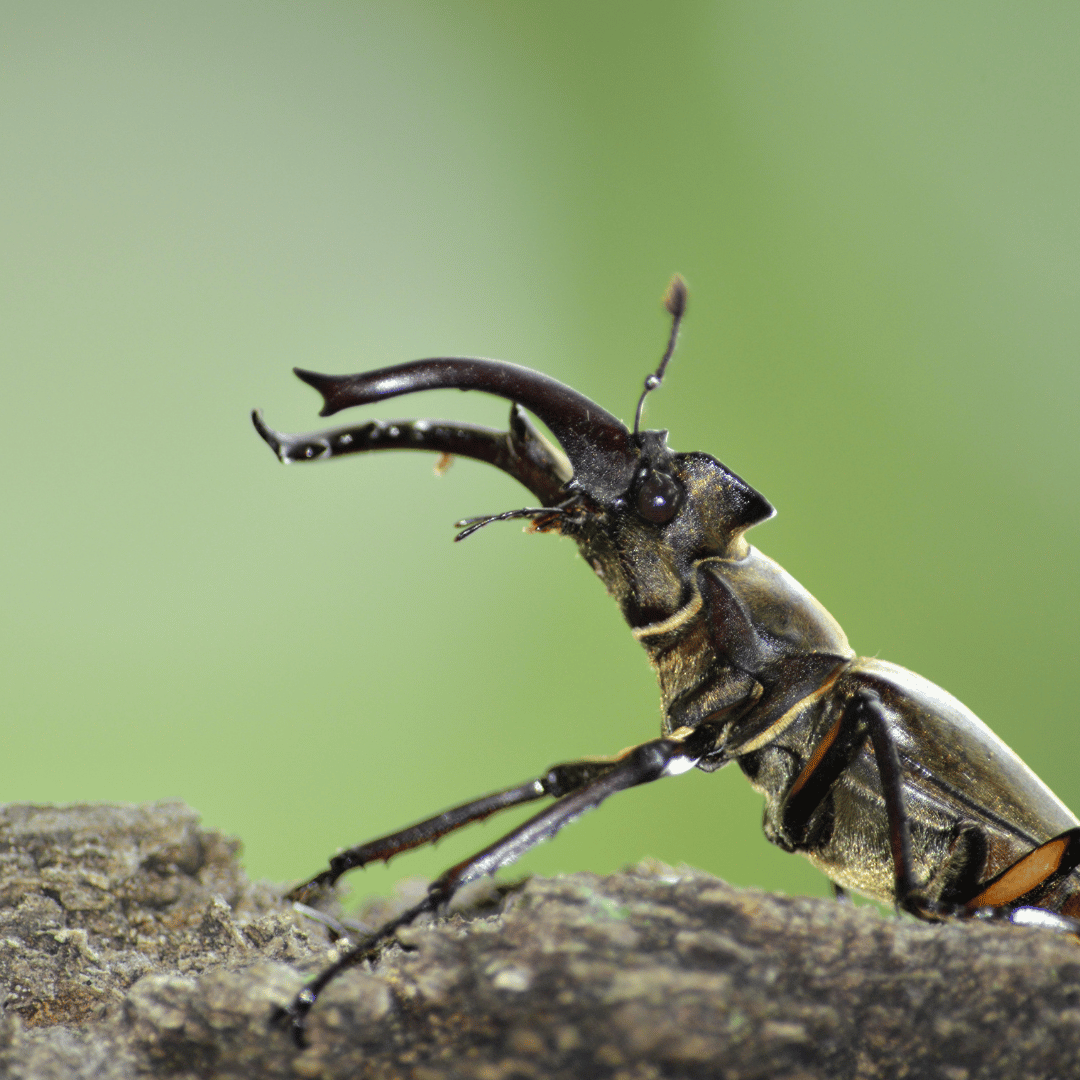
Epping Forest is a haven for a wide variety of fascinating insects, many of which rely on its ancient woodlands and diverse habitats. Among the most iconic is the stag beetle, which thrives in decaying wood and is often seen flying during summer evenings. The wasp beetle, a harmless mimic with yellow and black stripes, and the green tiger beetle, a fast-moving predator found in open sandy areas, are also commonly spotted.
The forest supports an impressive array of specialist insects thanks to its veteran trees and undisturbed deadwood. Notable examples include the hornet hoverfly, a large, striking insect that mimics hornets but feeds on nectar, and several rare fungus gnats and wood-boring flies that depend on the unique microhabitats found in old tree trunks and rotting timber.
Flora of Epping Forest
Trees
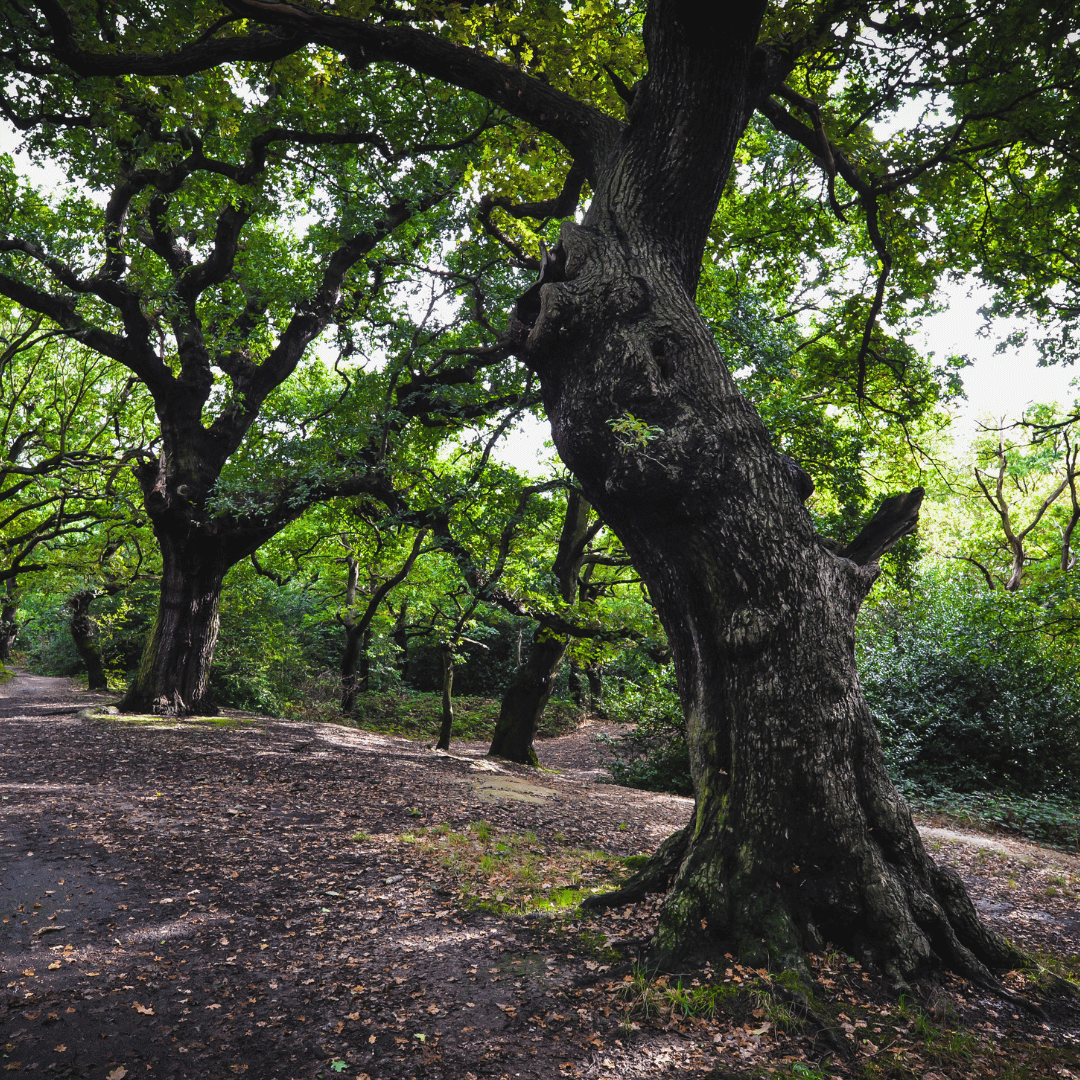
Epping Forest is ancient woodland dominated by native trees such as oak, hornbeam, and beech, with silver birch, hawthorn, blackthorn, and the rare wild service tree adding to its diversity. The forest’s varied soils support different species: clay-rich areas in the south favour oak and hornbeam, while drier slopes in the north suit beech. Shrubs like sallow and field maple thrive along woodland edges and glades.
The forest is renowned for having over 55,000 veteran trees, making it one of Europe’s richest sites for ancient specimens. Notable trees include the Turkey Oak on Mill Plain, planted in 1932, and Bedford’s Oak (also known as Grimston’s Oak) near Connaught Water, believed to be over 400 years old. These trees are not only ecologically vital but also hold deep historical significance.
Plant Life
The forest features heathland and plains where bracken, a vigorous fern, forms dense understories that provide shade, humid microclimates for mosses, and shelter for woodland flora.
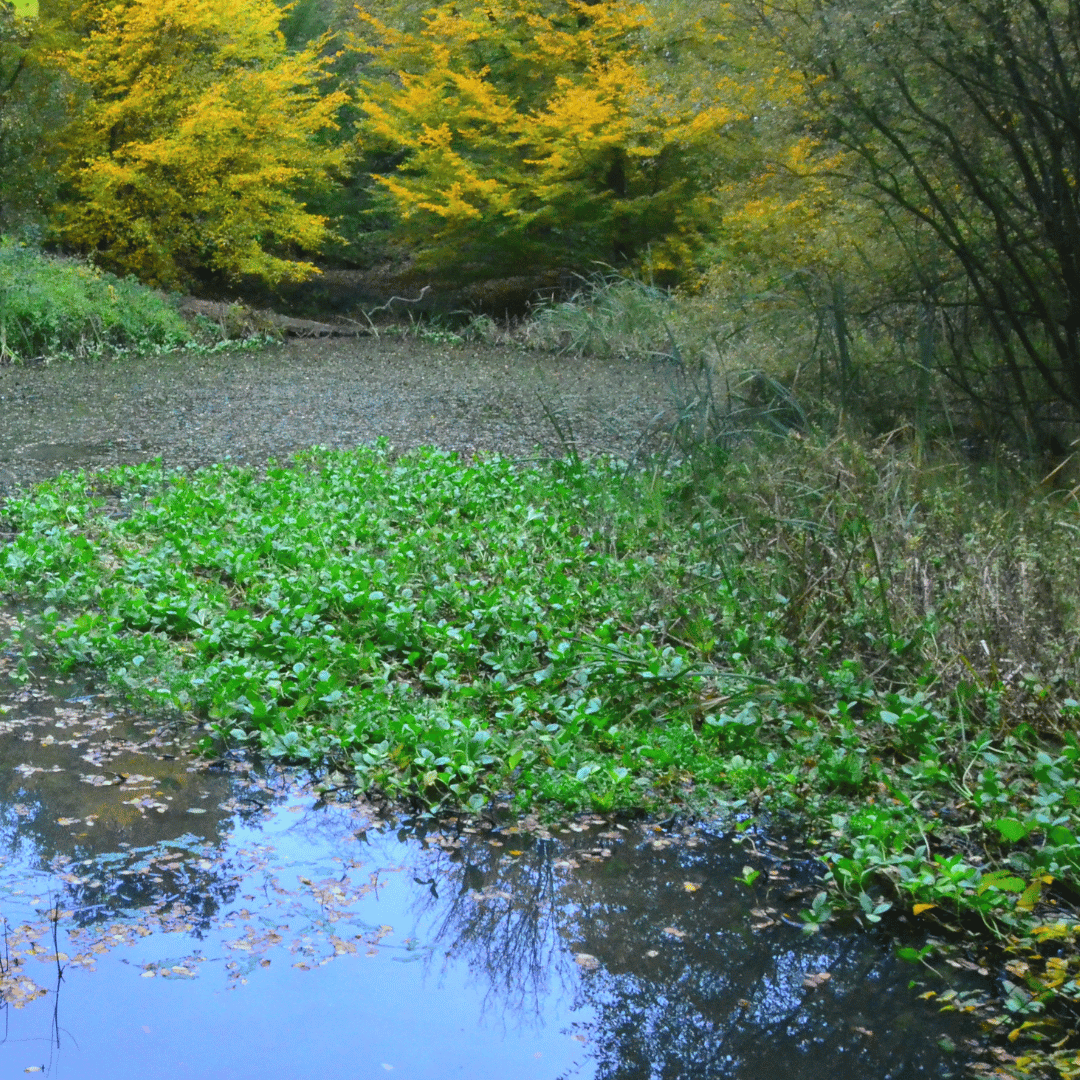
Surrounding ponds, lakes, and wetlands are adorned with reeds (such as common reed), which play a vital role in stabilizing soil, filtering water, and offering habitat to birds and aquatic life.
Download our Walks App
Download our free GPS-enabled walking app that offers 20 fantastic trails throughout the Forest and its bufferland, including 10 official waymarked trails by City of London Corporation and the Epping Forest Big Walk. Learn more here.

Join Our Guided Walks!
See Epping Forest in a new light with our guided forest walks! Led by forest experts, our guided walks offer the chance to learn more about the flora and fauna of the forest as well as Epping Forest’s historical roots. A great way to get outside and meet new people! Learn more here.
